
Power Your Performance
Discover the science of nutrition designed specifically for active men who demand peak performance, muscle growth, and sustained energy.
The information on this site is for educational purposes only and does not constitute medical advice. Always consult a qualified healthcare professional before making health decisions.
Why Healthy Eating Transforms Active Men
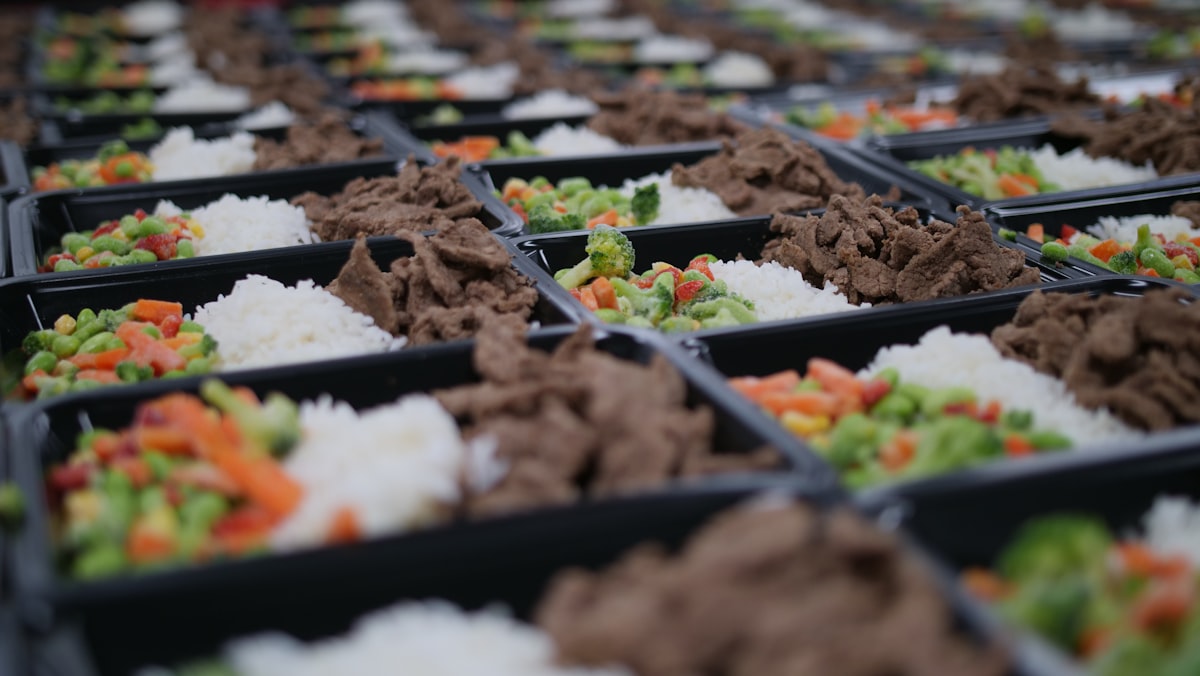
Proper nutrition is not just about calories—it's about fueling your body with the right nutrients at the right time. For active men, every meal is an opportunity to support muscle recovery, boost endurance, and maintain optimal energy levels throughout intense training sessions.
Research shows that men who follow structured eating habits experience faster recovery times, improved strength gains, and better overall athletic performance. The key is understanding your body's unique needs and tailoring your diet accordingly.
Whether you're focused on building lean muscle, improving cardiovascular endurance, or simply maintaining a healthy lifestyle, evidence-based nutrition strategies make all the difference. Healthymannutritionhub provides detailed guidance on macro balancing, meal timing, and food selection to help you reach your goals.
- Accelerated muscle recovery and growth
- Sustained energy and enhanced endurance
- Improved focus and mental clarity
- Better body composition and metabolism
Core Nutrition Pillars for Peak Performance
These foundational principles guide every nutrition recommendation we share, helping active men achieve consistent results through science-backed strategies.
Protein Strategy
Adequate protein intake is essential for muscle synthesis and repair. Active men benefit from consuming 0.8–1.2 grams of protein per pound of body weight daily, distributed across meals to maximize muscle protein synthesis throughout the day.
Carbohydrate Timing
Carbohydrates fuel intense training and replenish muscle glycogen stores. Strategic carb timing around workouts—especially post-exercise—supports energy availability and faster recovery for consistent performance gains.
Healthy Fats & Micronutrients
Essential fats support hormone production and reduce inflammation, while micronutrients like magnesium, zinc, and iron optimize energy metabolism, immune function, and athletic recovery.
Meal Plans for Every Goal
Discover structured eating approaches tailored to different fitness objectives. Each plan focuses on nutrient density and sustainable habits.

Muscle Building Protocol
High-protein, calorie-surplus approach designed to maximize muscle growth and strength gains during progressive training phases.
- Protein-rich meal distribution
- Strategic caloric surplus
- Pre and post-workout nutrition

Endurance & Stamina
Balanced macronutrient framework emphasizing sustained energy, cardiovascular health, and aerobic capacity for long-distance training.
- Steady carbohydrate intake
- Hydration guidelines
- Recovery nutrition
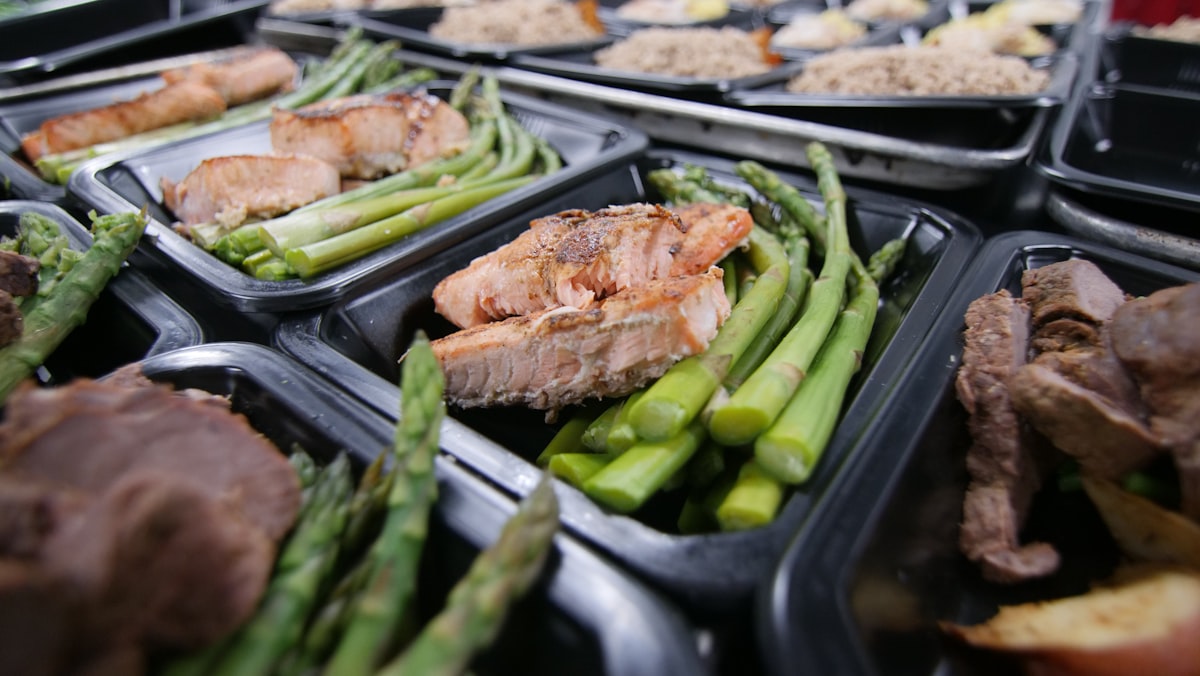
Lean & Defined
Body recomposition strategy maintaining muscle while reducing fat, using precise calorie and protein management alongside strength training.
- Controlled caloric deficit
- Muscle preservation focus
- Nutrient timing tactics

Power & Strength
Optimized fueling strategy for maximal strength development, power output, and neuromuscular adaptation in resistance-focused athletes.
- Creatine-rich foods
- Energy system support
- Recovery acceleration

General Wellness
Sustainable, balanced nutrition approach for long-term vitality, cognitive performance, and maintaining optimal overall health without extreme restrictions.
- Balanced macronutrients
- Anti-inflammatory foods
- Lifestyle sustainability

Sports Performance
Competition-focused nutrition strategy optimizing energy availability, mental focus, and rapid recovery for competitive athletes across various sports.
- Game-day nutrition
- Mental performance boost
- Competition prep strategies
Your 4-Week Transformation Journey
Follow this structured approach to establish sustainable eating habits and notice significant improvements in energy, strength, and recovery.
Assessment & Baseline
Determine your daily caloric needs, identify macro targets, and evaluate current eating patterns. Track one week of typical meals to establish baseline data for personalized adjustments.
- Calculate caloric requirements
- Set macro goals
- Initial food logging
Meal Structure & Planning
Design 5–7 days of meals aligned with your macro targets. Focus on whole foods, establish meal prep routines, and implement strategic timing around workouts for optimal nutrient delivery.
- Create meal templates
- Grocery shopping strategy
- Meal prep scheduling
Optimization & Refinement
Monitor energy levels, recovery markers, and training performance. Adjust portion sizes and food choices based on how your body responds. Fine-tune hydration and electrolyte strategies.
- Performance tracking
- Macro adjustments
- Hydration optimization
Sustainable Habit Lock
Solidify your eating routine into automated habits. Celebrate early wins, assess progress, and establish long-term sustainability strategies to maintain results beyond the four-week period.
- Habit automation
- Progress evaluation
- Future planning
Real Results From Active Men
Discover how readers have transformed their nutrition and achieved their performance goals through our comprehensive guidance and proven strategies.
"The structured meal planning approach completely changed how I approach eating. Following the guidelines, I've built lean muscle and my energy levels during training are at an all-time high. The nutritional principles are straightforward and actually sustainable—not some restrictive diet I can't maintain."
Marco Ridho
Jakarta
"I was constantly fatigued and couldn't understand why my training wasn't progressing. After implementing the carbohydrate timing strategies and post-workout nutrition plan outlined here, my recovery improved dramatically. I'm sleeping better, recovering faster, and my lifts have noticeably improved."
Budi Suryanto
Medan
"The level of detail in the nutrition guidance is impressive. I've tried countless diets before, but this one resonates because it's backed by research and tailored to athletic goals. I've achieved my body recomposition targets—lost fat, gained muscle—while actually enjoying my meals. This is how nutrition should be approached."
Arif Wijaya
Surabaya
"As someone juggling a busy work schedule and training, I needed practical nutrition advice that doesn't require hours of meal prep. The flexible meal templates and simple food swaps have been game-changers. I'm leaner, stronger, and finally feel like my nutrition is actually supporting my athletic goals instead of working against them."
Deni Hermanto
Bandung
"The endurance nutrition strategies helped me prepare for a half-marathon in ways I hadn't considered before. Specifically, the race-day nutrition protocol and the pre-race meal recommendations made a tangible difference. I finished strong without hitting a wall, and my recovery was remarkably fast compared to my previous races."
Rinto Sitorus
Yogyakarta
"After years of inconsistent results, I finally understand why my nutrition wasn't matching my training efforts. The science-based approach to macros and meal timing has transformed my physique. My body composition changes are visible, my strength has improved noticeably, and I feel phenomenal. This is the nutrition blueprint I've been searching for."
Himawan Kusuma
Semarang
Common Questions About Male Nutrition
Find answers to frequently asked questions about nutrition for active men, from macro calculations to supplement considerations and meal timing strategies.
Most active men benefit from consuming 0.8 to 1.2 grams of protein per pound of body weight daily. This range supports muscle protein synthesis and recovery while accounting for your training intensity and goals. For example, a 180-pound male would target 144–216 grams of protein per day. Distribute this across 4–5 meals to maximize muscle protein synthesis. Individual needs may vary based on training type, intensity, and body composition goals, so monitoring progress and adjusting accordingly is essential.
Pre-workout carbohydrates (consumed 1–3 hours before training) provide readily available energy for high-intensity exercise. Post-workout carbohydrates (within 30–60 minutes after training) replenish muscle glycogen stores and enhance recovery. A practical approach includes consuming 0.5–1 gram of carbs per pound of body weight post-workout, paired with protein for optimal recovery. The exact timing depends on your stomach tolerance and meal size. Some athletes prefer eating 2–3 hours pre-workout with a smaller snack 30–45 minutes before, while others do well with a larger pre-workout meal 1 hour prior. Experiment to find your individual sweet spot.
Yes, body recomposition—losing fat while building muscle—is achievable, especially for those new to structured nutrition or returning to training. Success requires maintaining high protein intake (1.2 grams per pound), creating a modest caloric deficit (300–500 calories below maintenance), and following progressive resistance training. Recovery is critical, so prioritize sleep and manage stress. Results manifest as changing body composition rather than dramatic weight loss, as muscle gain offsets fat loss on the scale. This approach typically produces slower weight loss than aggressive caloric restriction, but the visual and strength improvements are significant and more sustainable long-term.
Excellent whole food protein sources include lean beef (25g per 100g), chicken breast (31g per 100g), fish like salmon and tuna (25–26g per 100g), eggs (6g per egg), Greek yogurt (10g per 100g), cottage cheese (11g per 100g), legumes like lentils and chickpeas (9–12g per cooked cup), and nuts/seeds (variable but 5–8g per ounce). Varying protein sources ensures diverse micronutrient profiles—beef provides iron and creatine, fish offers omega-3 fats, and legumes supply fiber and minerals. Combine complete proteins (containing all amino acids) like meat and eggs with incomplete proteins like beans to maximize amino acid availability throughout the day.
Hydration is critical—even 2–3% dehydration impairs strength, endurance, and cognitive function. Active men should drink water consistently throughout the day, increasing intake during and after exercise. A practical strategy is consuming 0.5–1 ounce of water per pound of body weight daily, adjusted for climate, training intensity, and individual sweat rate. During intense training lasting over 60 minutes, consume 6–8 ounces of water or electrolyte-containing beverage every 15–20 minutes. Post-workout, drink 16–24 ounces of fluid per pound of body weight lost during exercise. Electrolytes (sodium, potassium, magnesium) support fluid retention and muscle function, making them important when sweating heavily or training in hot conditions.
Both approaches work synergistically. Calorie counting ensures you're in the appropriate energy balance for your goal—surplus for muscle building, deficit for fat loss. Macro targets ensure those calories come from nutrient-dense sources in proportions supporting your objectives. For example, a 180-pound male building muscle might need 3,200 calories split as 30% protein, 40% carbs, 30% fat, ensuring adequate protein and carbs for training recovery while maintaining caloric surplus.
Review your plan every 2-4 weeks. Track progress toward your goals, assess how you feel, energy levels, and workout performance. If you're not seeing results or feel consistently fatigued, adjust calories by 100-200 units and reassess. Seasonal changes, activity level shifts, or goal changes warrant plan updates. A flexible, adaptive approach beats rigid adherence to outdated targets.
What Our Community Says
Real results from real people using evidence-based nutrition
James Mitchell
Fitness Enthusiast
"The macro breakdown guidance transformed my training results. I went from spinning my wheels to gaining quality muscle in just 3 months. Finally understand what to eat and why."
Sarah Rodriguez
Health Coach
"Recommending Healthy Man Nutrition Hub to all my clients now. The science-backed approach and personalized recommendations have created consistent success across different body types."
David Kim
Corporate Professional
"As a busy professional, I needed simple, actionable nutrition advice. This hub delivers exactly that—no fluff, just practical strategies that fit my lifestyle. Lost significant weight sustainably."
Ready to Transform Your Nutrition?
Join thousands of people achieving their health and fitness goals with evidence-based nutrition strategies.
Evidence-Based
All recommendations grounded in peer-reviewed research
Community Support
Access to thousands of success stories and peer guidance
Quick Results
See measurable changes in 4-8 weeks with proper adherence
Healthy Man Nutrition Hub
Science-backed nutrition guidance for sustainable health and fitness results.
Resources
© 2024 Healthy Man Nutrition Hub. All rights reserved. | Helping you achieve sustainable health through evidence-based nutrition.